
[Overview]
Pouch Filling Buyer and Technical Guides
Updated
Browse practical resources on pouch-filling selection, quotation scope, pouch specifications and trial acceptance.
Use these engineering guides to define a pouch-filling project: product and dosing, pouch handling, equipment scope and acceptance measurements.
[01]
Start Your Selection
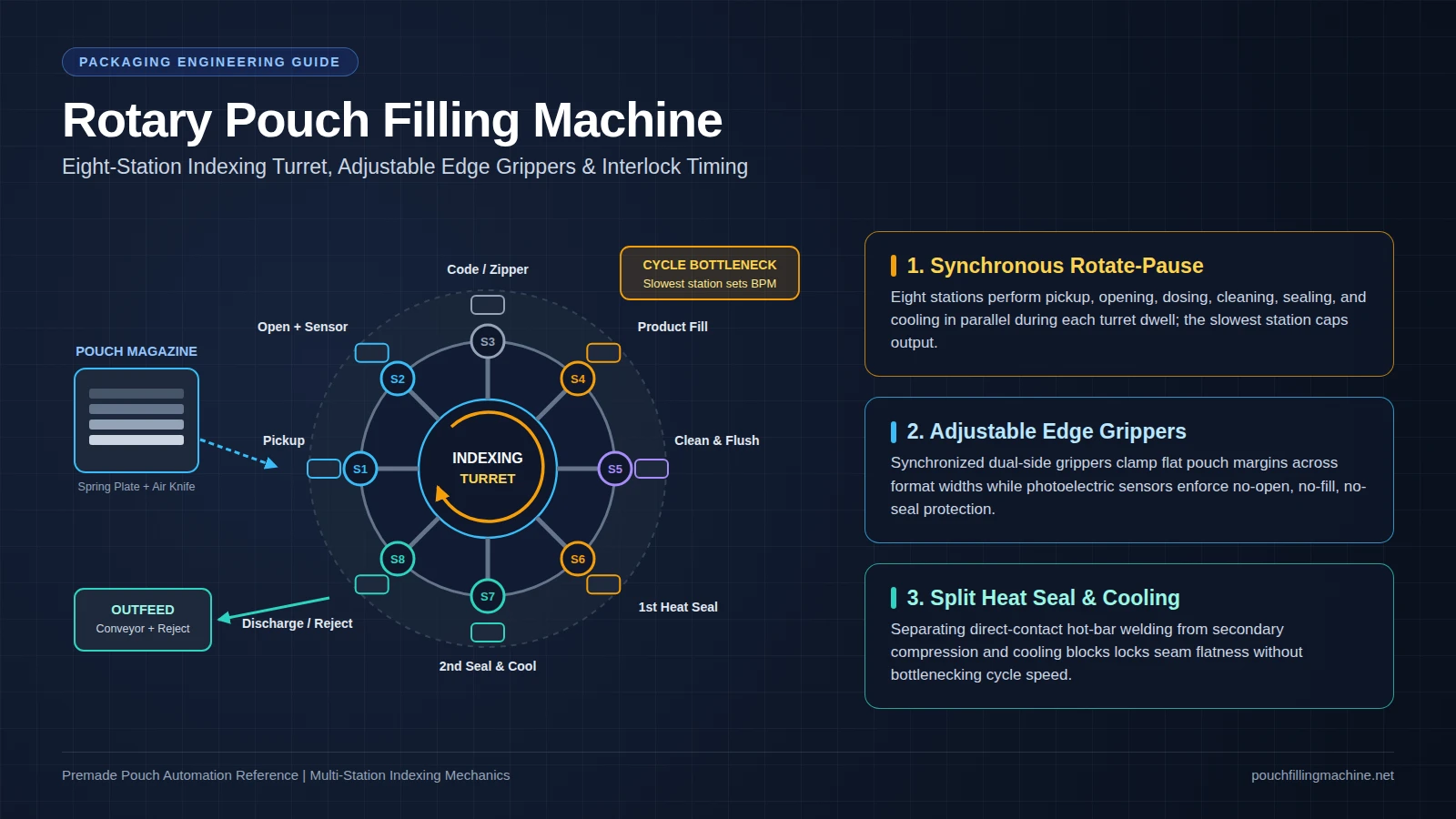
Begin with how to choose a pouch filling configuration. It goes from product to pouch, output, closure, utilities and samples, and ends with a checklist you can fill in. To understand multi-station turret indexing, adjustable edge grippers, opening interlocks and rotary versus inline tradeoffs, read our rotary pouch filling machine guide. If the run is still short, small-batch pouch filling compares operator tasks, measured batch output and the catalog automatic routes. Still deciding on a product category? The liquid and paste and powder pages show how the product shapes dosing. For an overview of what we do, see the home page.
[02]
Prepare a Quote
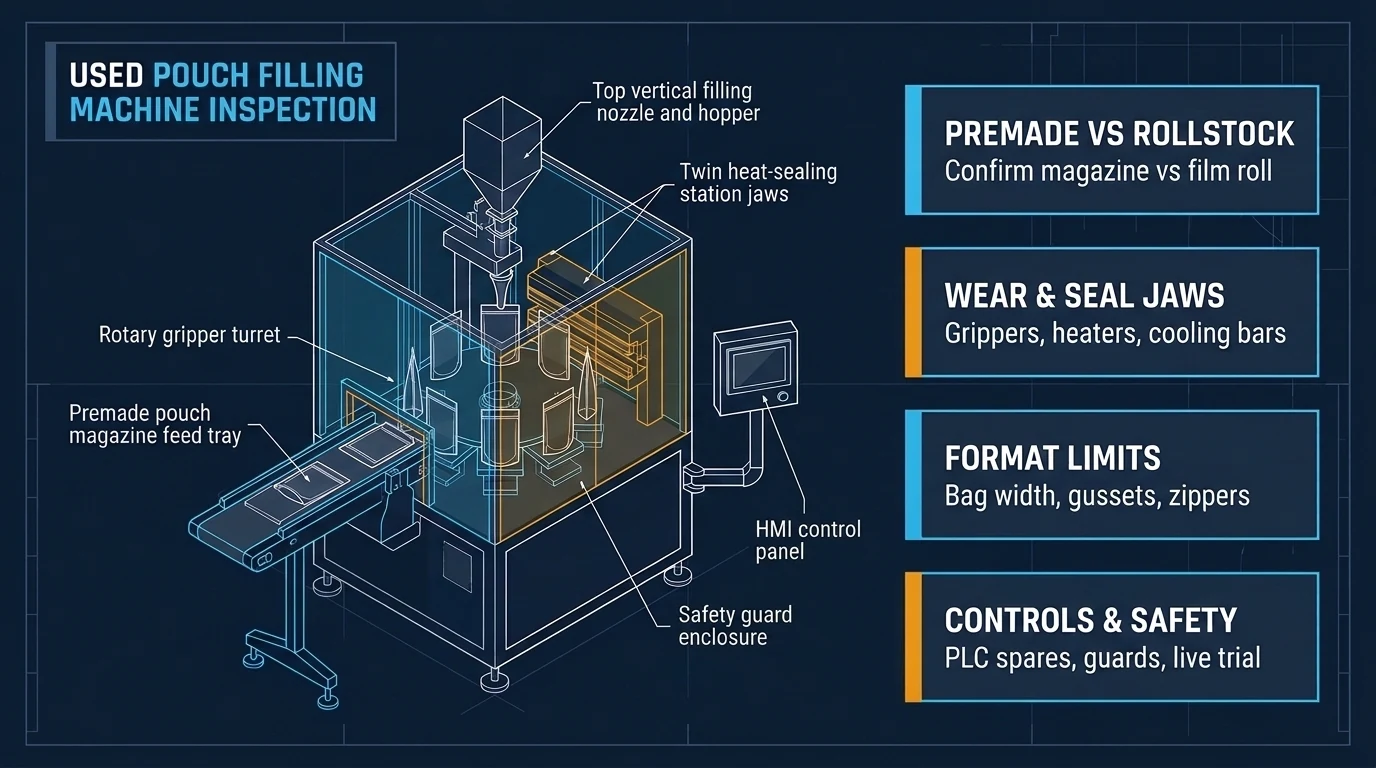
Read what affects pouch filling machine price before you ask for proposals. It shows how to compare quote scope line by line. If you are weighing secondhand equipment against a new quote, our used pouch filling machine inspection guide covers architecture checks, wear points, format limits, and live power-on trials. Pricing follows the defined equipment scope. When you're ready, message us on WhatsApp.
[03]
Check Pouch Compatibility
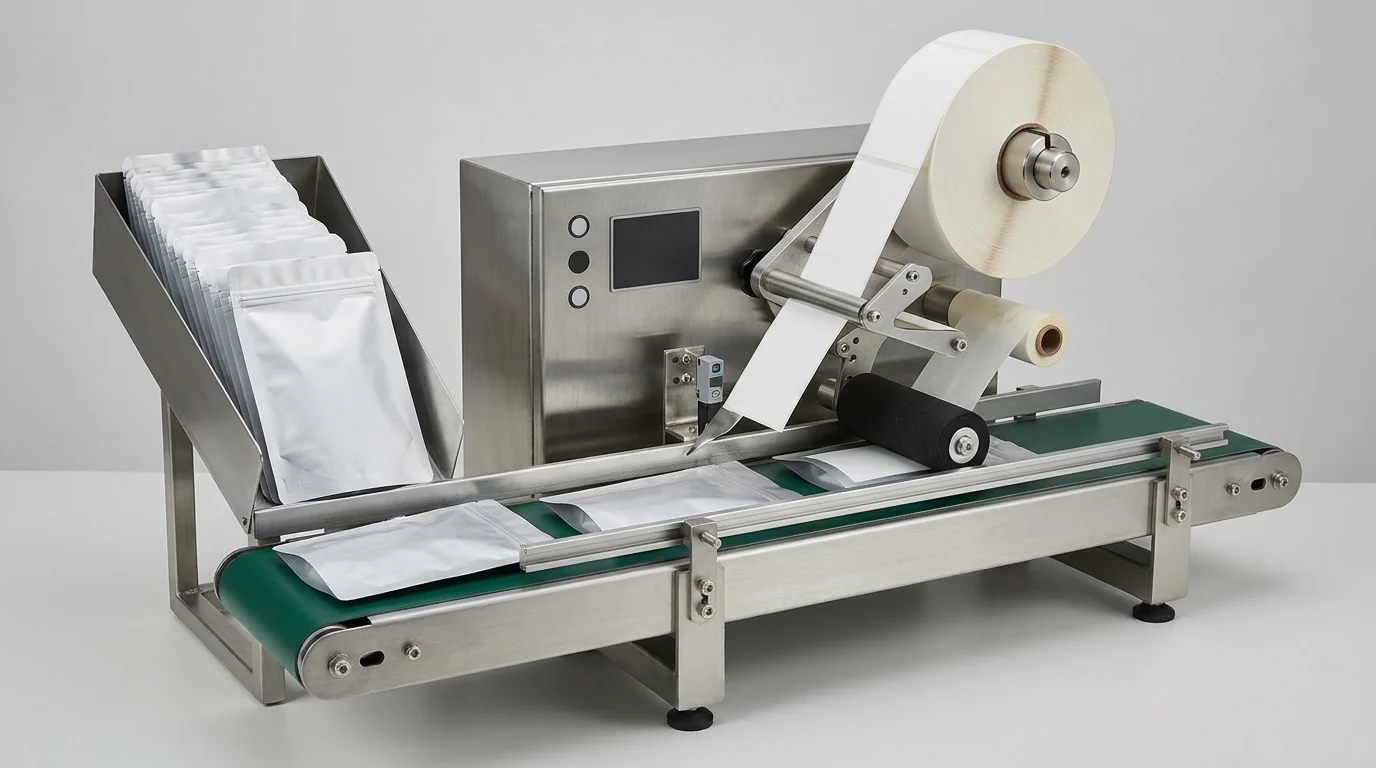
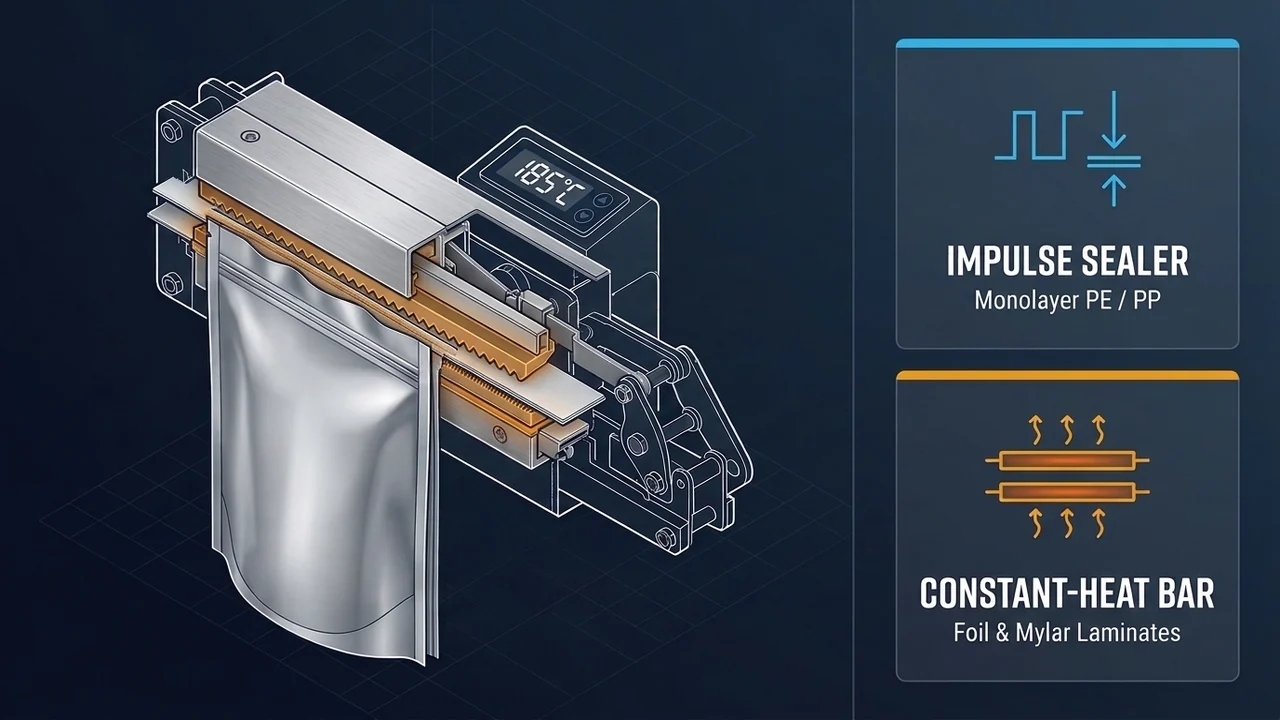
A machine can only run a pouch it can open, hold and close. The pouch specifications guide lists what to measure and what to send. For a common format, see stand-up pouches, or compare preformed pick-fill-seal against rollstock HFFS in our doypack machine guide. When you have a fill weight and need width, height and gusset, use the stand-up pouch size chart. To match impulse jaws against constant-heat hot bars across monolayer PE, foil, and Mylar laminates, read our pouch heat sealer guide. If you label blank premade bags across multiple SKUs, pouch labeling machine setups compare flat empty bag feeding against post-fill conveyor top labeling.
[04]
Evaluate Trial Data
For viscous liquids, the piston filler vs flow meter comparison connects volume and mass measurement to particles, air, nozzle cutoff and cleaning. Use its parameter sheet to prepare a dosing trial.
Accuracy and output claims only compare when the conditions match. How to evaluate pouch filling accuracy covers sampling, bias versus spread and acceptance criteria. For how samples are handled, see sample testing.
[05]
Troubleshooting
For weak seals or other filling defects, send the product, pouch details, settings and a defect photo through the contact page. Service and support explains how support works.
[Directory]
Explore Guides
- 01Buying guideWhat Affects Pouch Filling Machine Price?Understand the scope behind pouch-filling quotations. Compare dosing, pouch handling, closure, options and delivery terms before reviewing a proposal.View page →
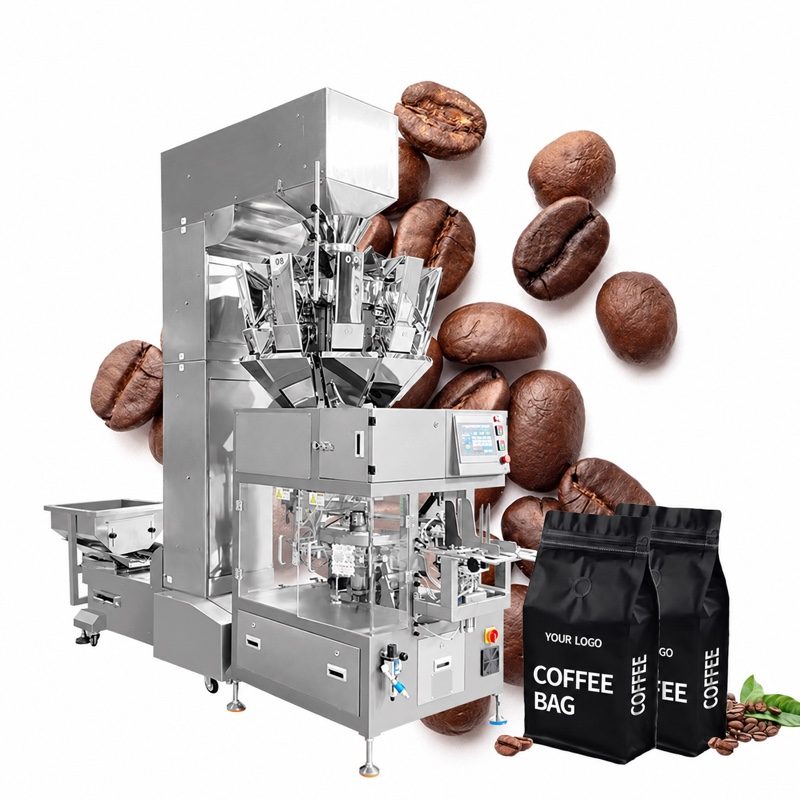
- 02Buying guideHow to Choose the Right Pouch Filling ConfigurationUse product, pouch, output and closure requirements to narrow your filling-machine options. Prepare a practical brief for a sample-based review.View page →
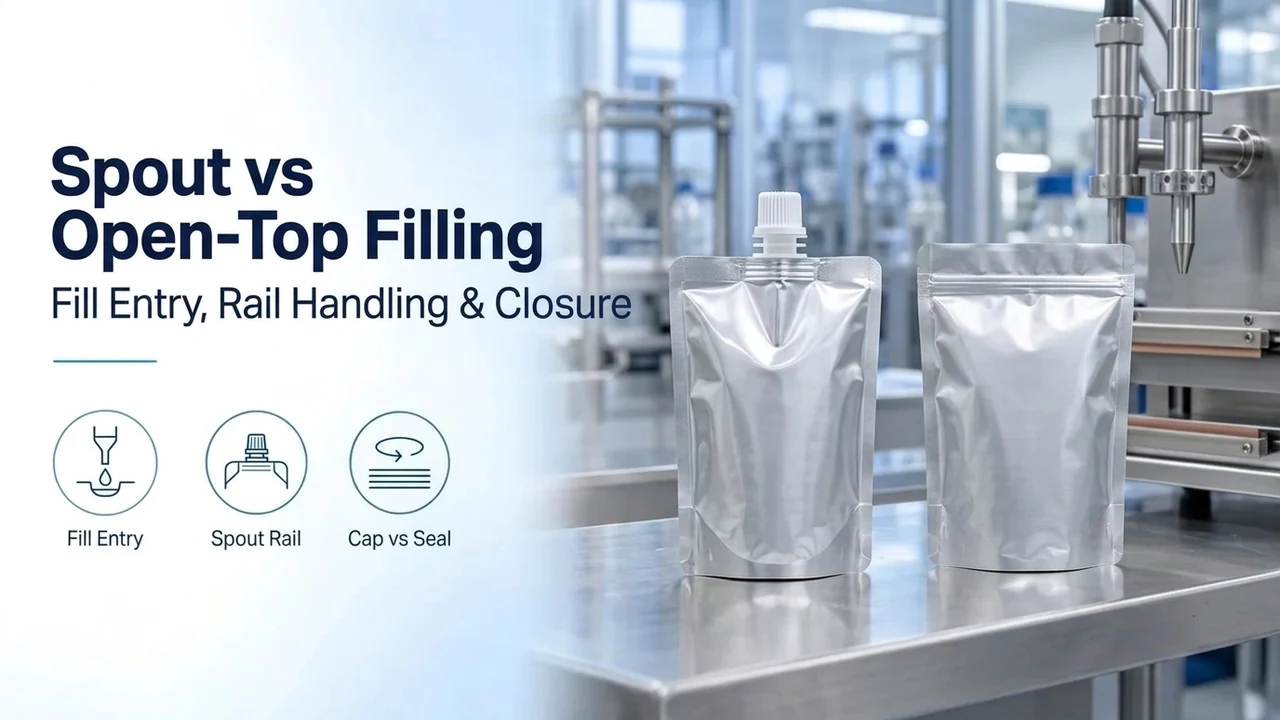
- 03Buying guideFilling Through the Spout or Through the Open TopUnderstand how fill entry, pouch handling and closure differ between through-spout and open-top pouch filling. Prepare the right pouch information.View page →
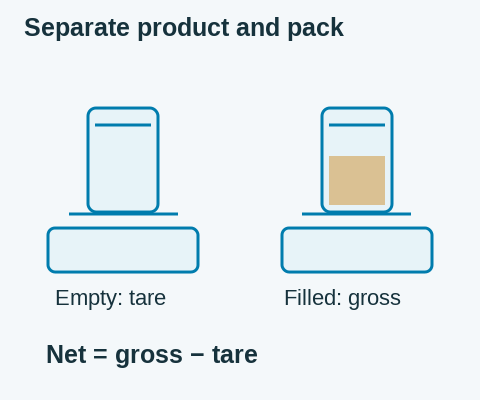
- 04Buying guideHow to Evaluate Pouch Filling AccuracyDefine test conditions, sample sizes and weight checks for pouch filling. Compare accuracy claims only when product and operating conditions match.View page →
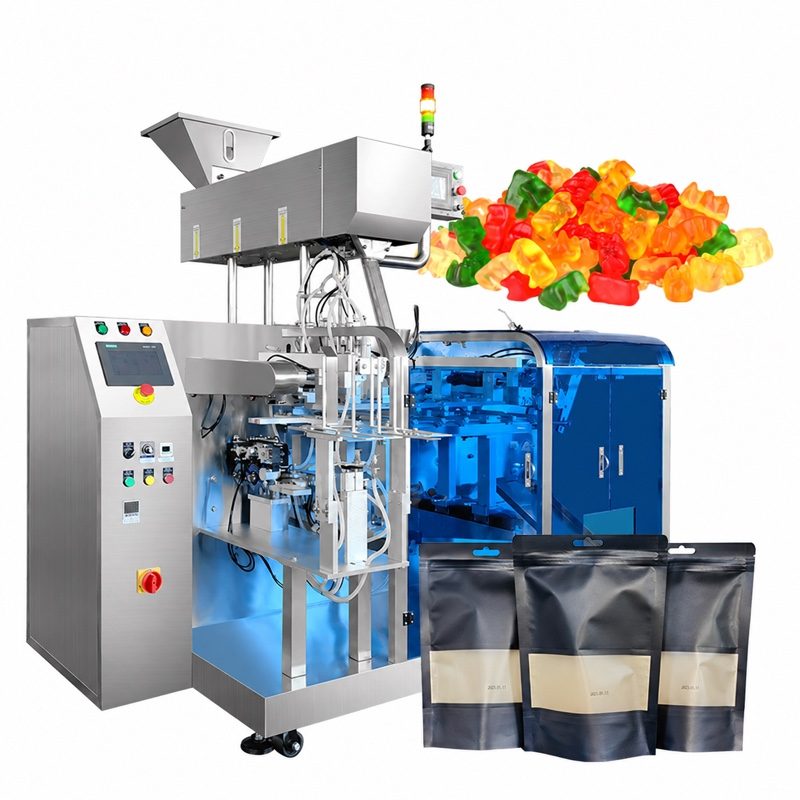
- 05Buying guidePouch Specifications to Confirm Before Machine SelectionPrepare pouch dimensions, material, opening, zipper or spout details and fill targets. Use the checklist for a focused compatibility review.View page →
- 06Buying guideHow to Read a Stand-Up Pouch Size ChartCompare stand-up pouch width, height, gusset and product-specific capacity estimates. Measure bulk density to match fill weight to usable pouch space.View page →
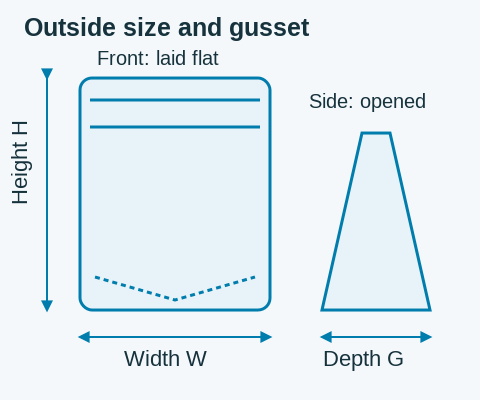
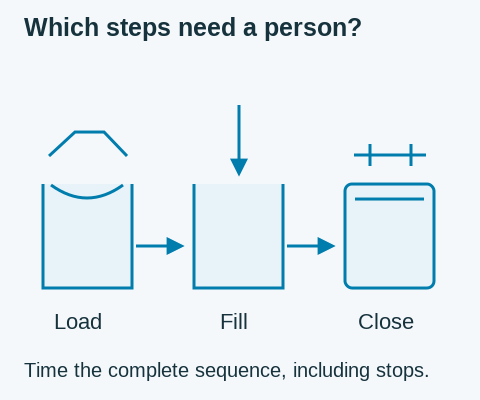
- 07Buying guideWhat Manual, Semi-Automatic and Tabletop Pouch Filling Can DoCompare manual, semi-automatic and tabletop pouch filling by operator tasks, measured batch output, pouch handling and closure requirements.View page →
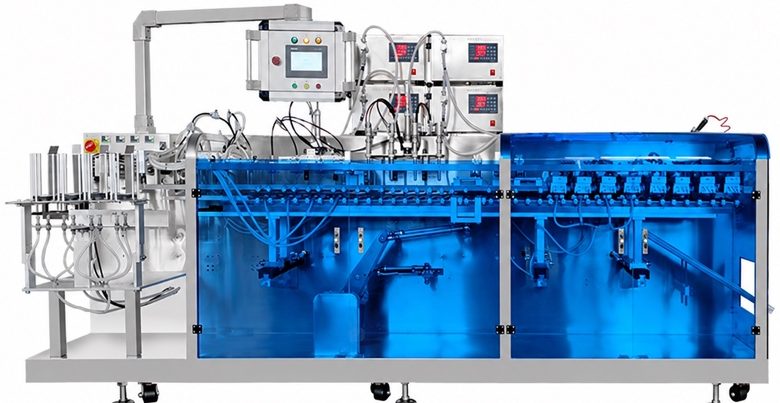
- 08Buying guidePiston Filler vs Flow Meter for Viscous Liquid Pouch FillingCompare piston, electromagnetic, Coriolis and weigh filling for viscous liquids. Check temperature, particles, air, nozzle cutoff and cleaning before trials.View page →
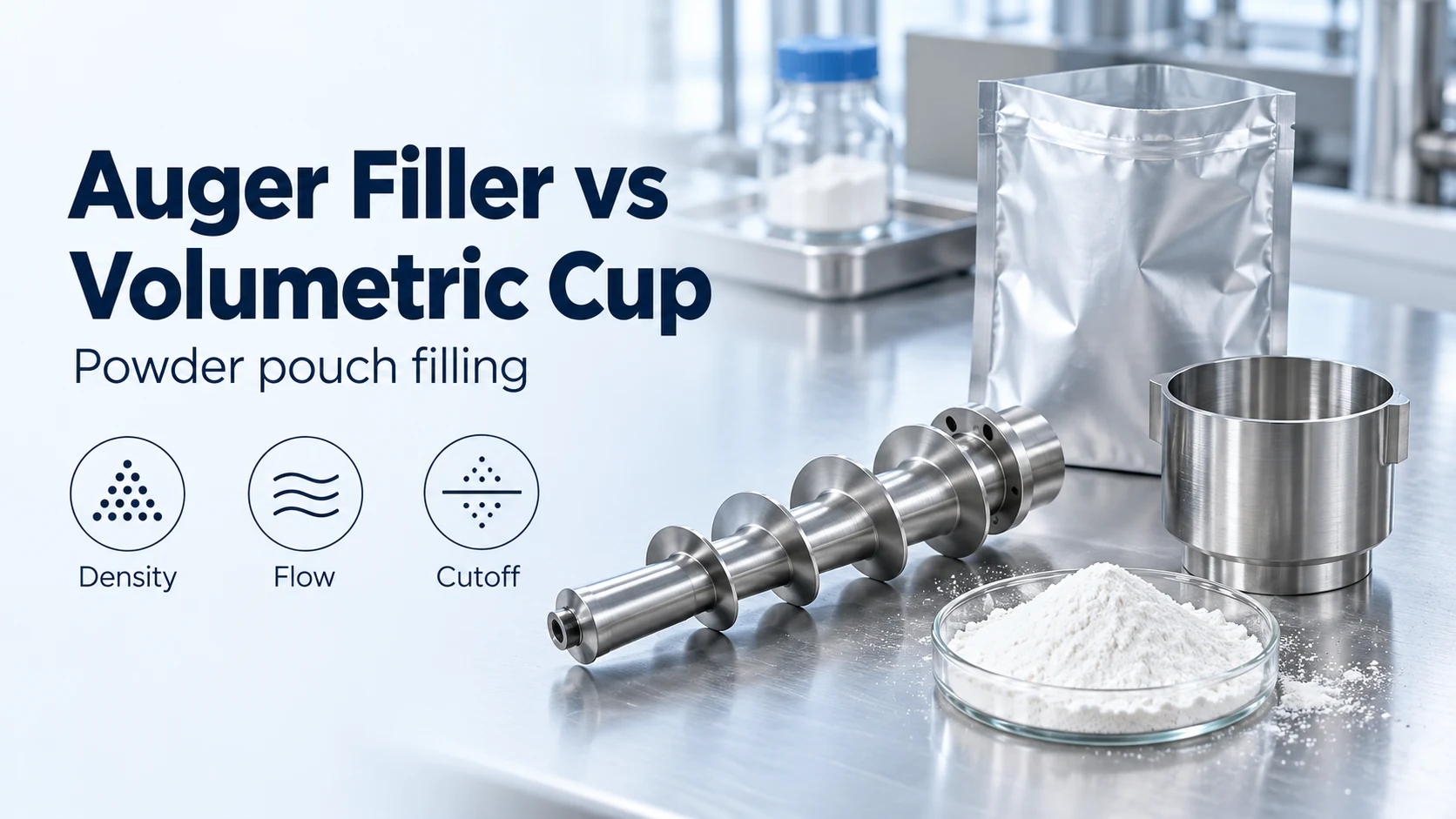
- 09Buying guideAuger Filler vs Volumetric Cup for Powder Pouch Filling: Bulk Density, Bridging, and Dust ControlCompare auger filler and volumetric cup dosing for powder pouches. Review bulk density, bridging, tooling, dust control and weight feedback before evaluation.View page →
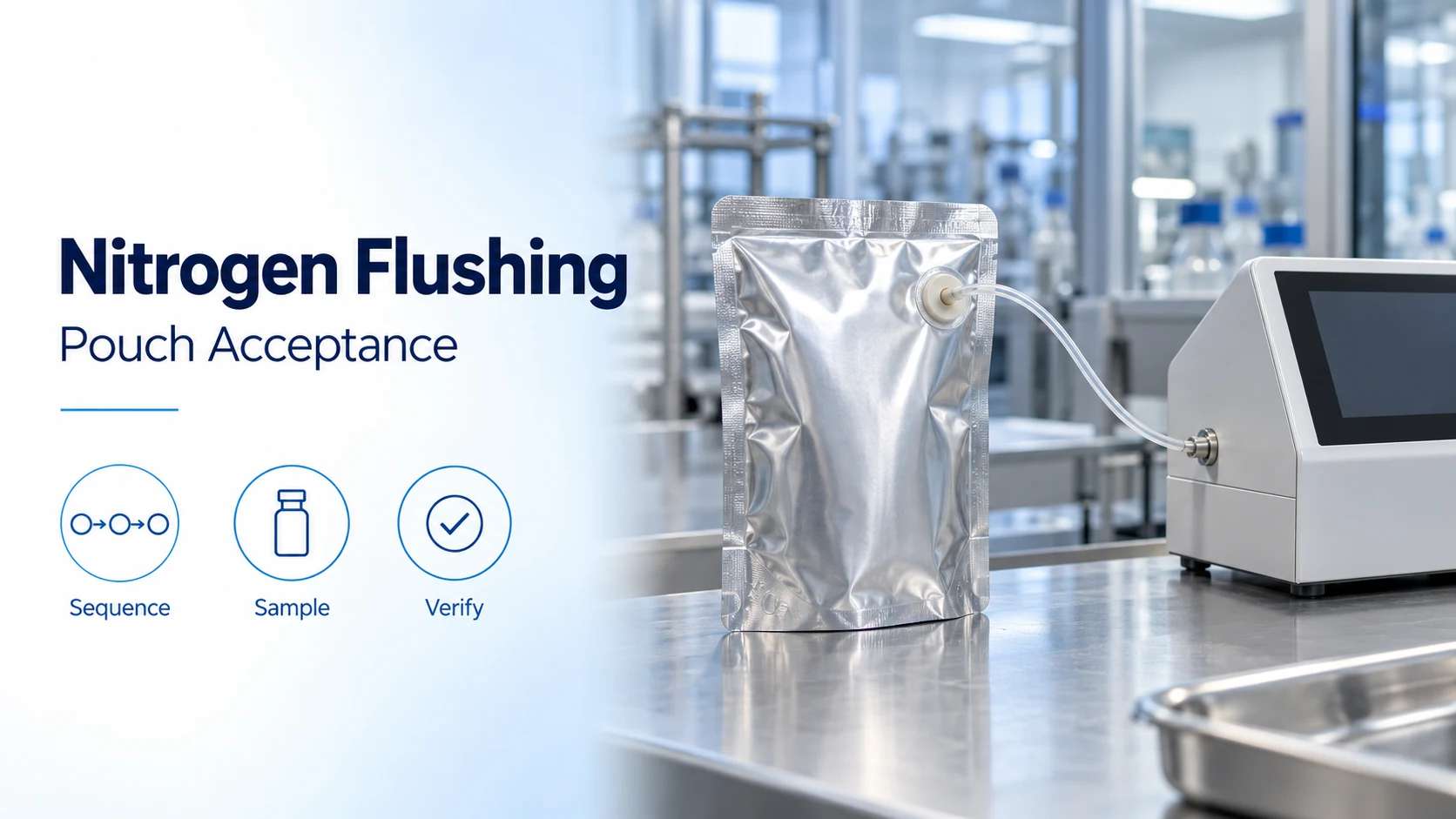
- 10Buying guideNitrogen Flush Packaging for Pouches: Lance Timing, Seal-Jaw Transfer, and Residual Oxygen VerificationPlan nitrogen flushing trials for pouches: record lance timing, seal-jaw transfer, headspace sampling and residual oxygen acceptance requirements.View page →
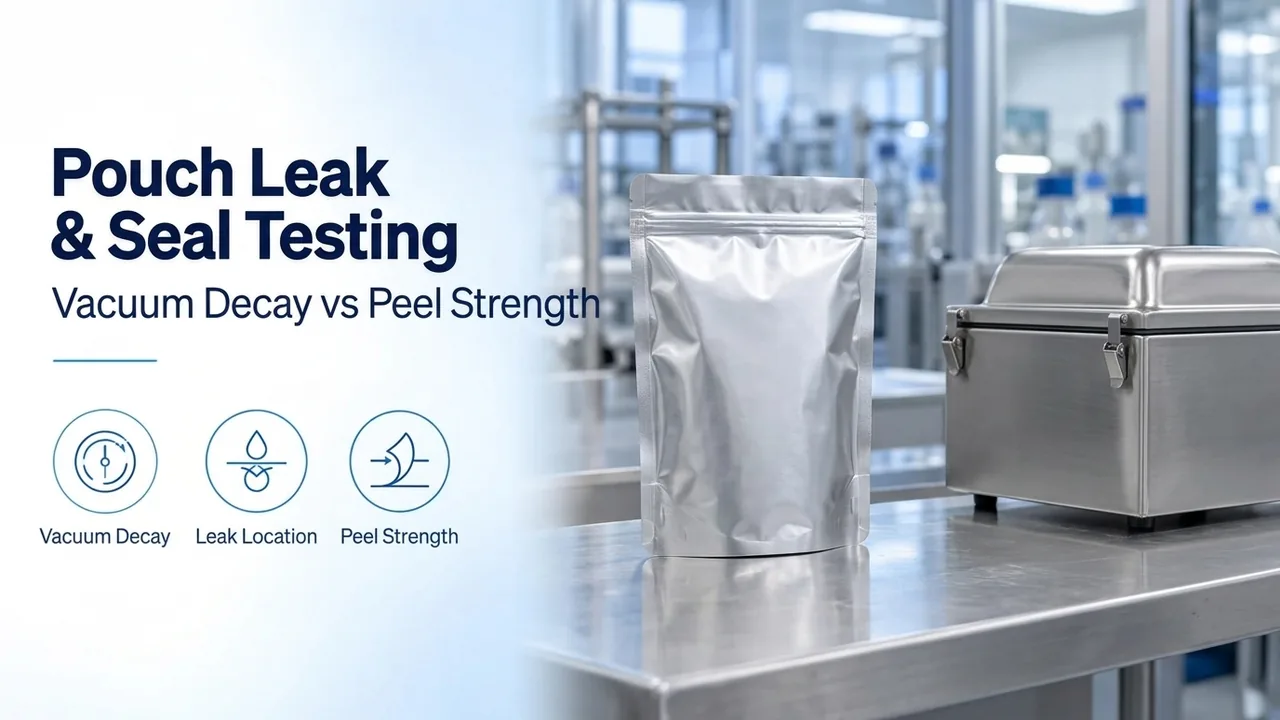
- 11Buying guideVacuum Decay Leak Testing vs Seal Strength Testing for Filled Pouches: ASTM F2338, F2096, and F88Plan post-sealing pouch verification trials: compare vacuum decay leak testing, bubble and dye location checks, and strip peel-strength records.View page →
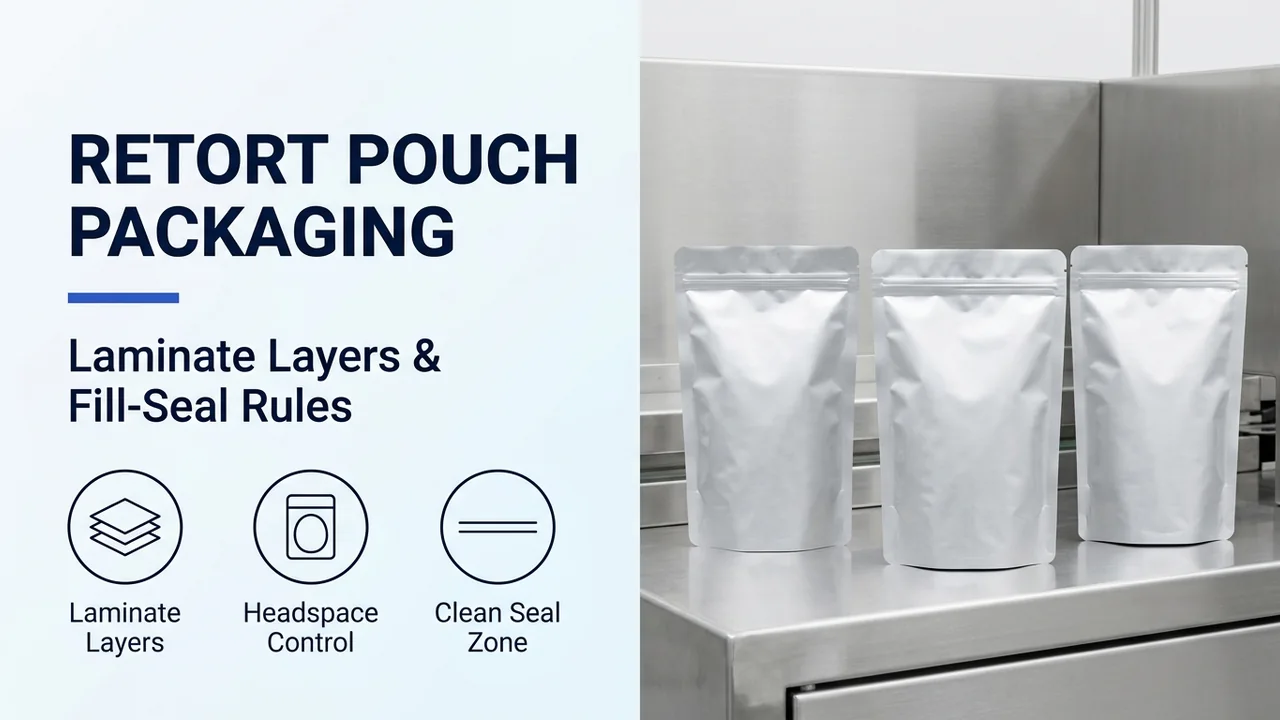
- 12Buying guideRetort Pouch Packaging: Laminate Layers & Pre-Retort Seal ChecksRetort pouch packaging seals wet food inside a heat-resistant plastic-and-foil laminate before steam or water sterilization, requiring clean seals and headspace.View page →
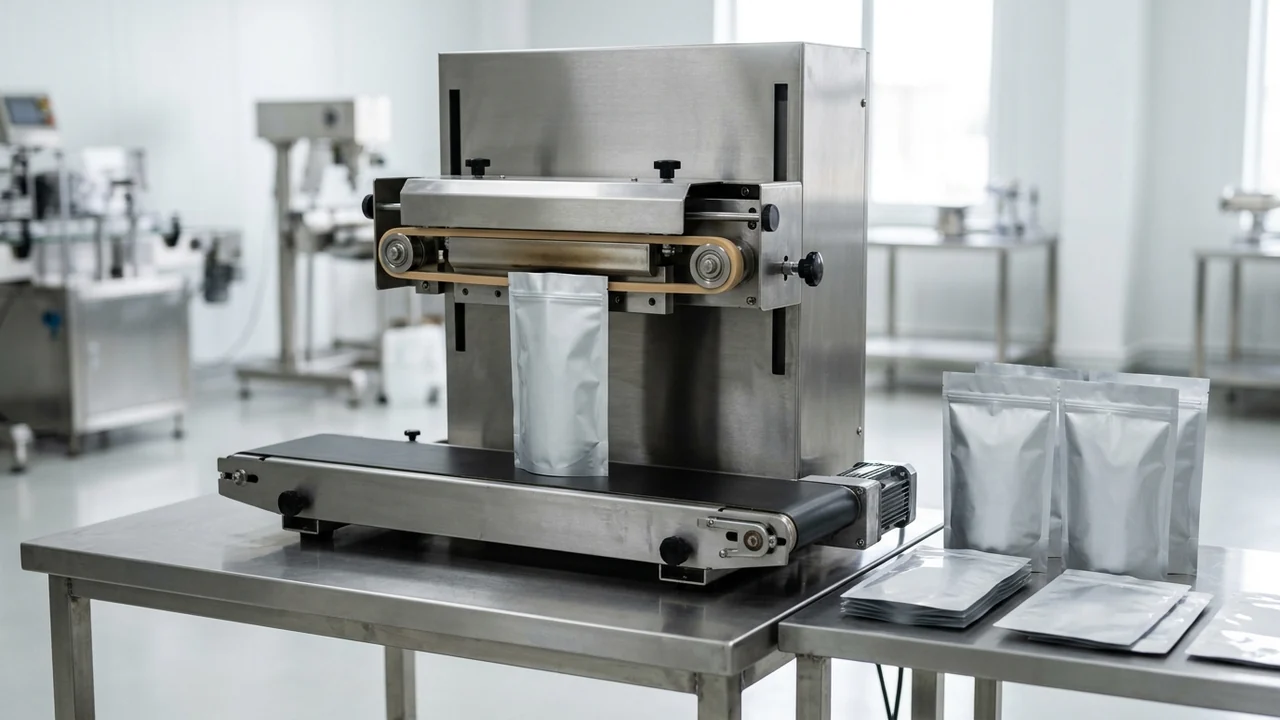
- 13Buying guideContinuous Band Sealer: Horizontal vs Vertical Bag SealingContinuous band sealers carry pouches through heated PTFE belts and cooling blocks. Compare vertical vs horizontal setups for liquids, powders, and flat bags.View page →
- 14Buying guidePouch Labeling Machine: Flat Empty vs Filled Pouch SetupsFlat empty pouch feeders label gusseted and zippered bags before product bulge, while inline conveyor top labelers handle sealed packs with level top panels.View page →
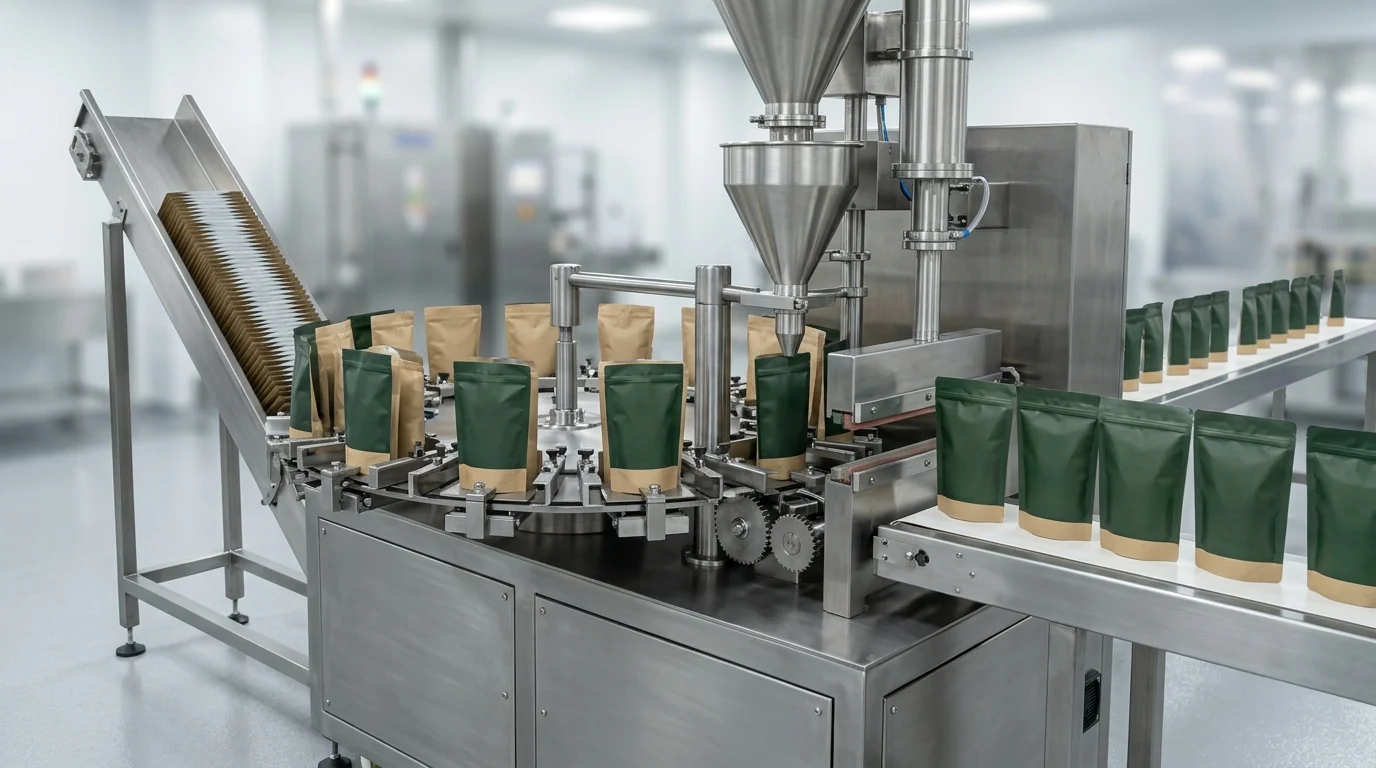
- 15Buying guideDoypack Machine: Premade Pick-Fill-Seal vs Rollstock HFFSCompare premade pick-fill-seal Doypack fillers against integral rollstock HFFS machines across pouch geometry, SKU changeover, seal standards, and throughput.View page →
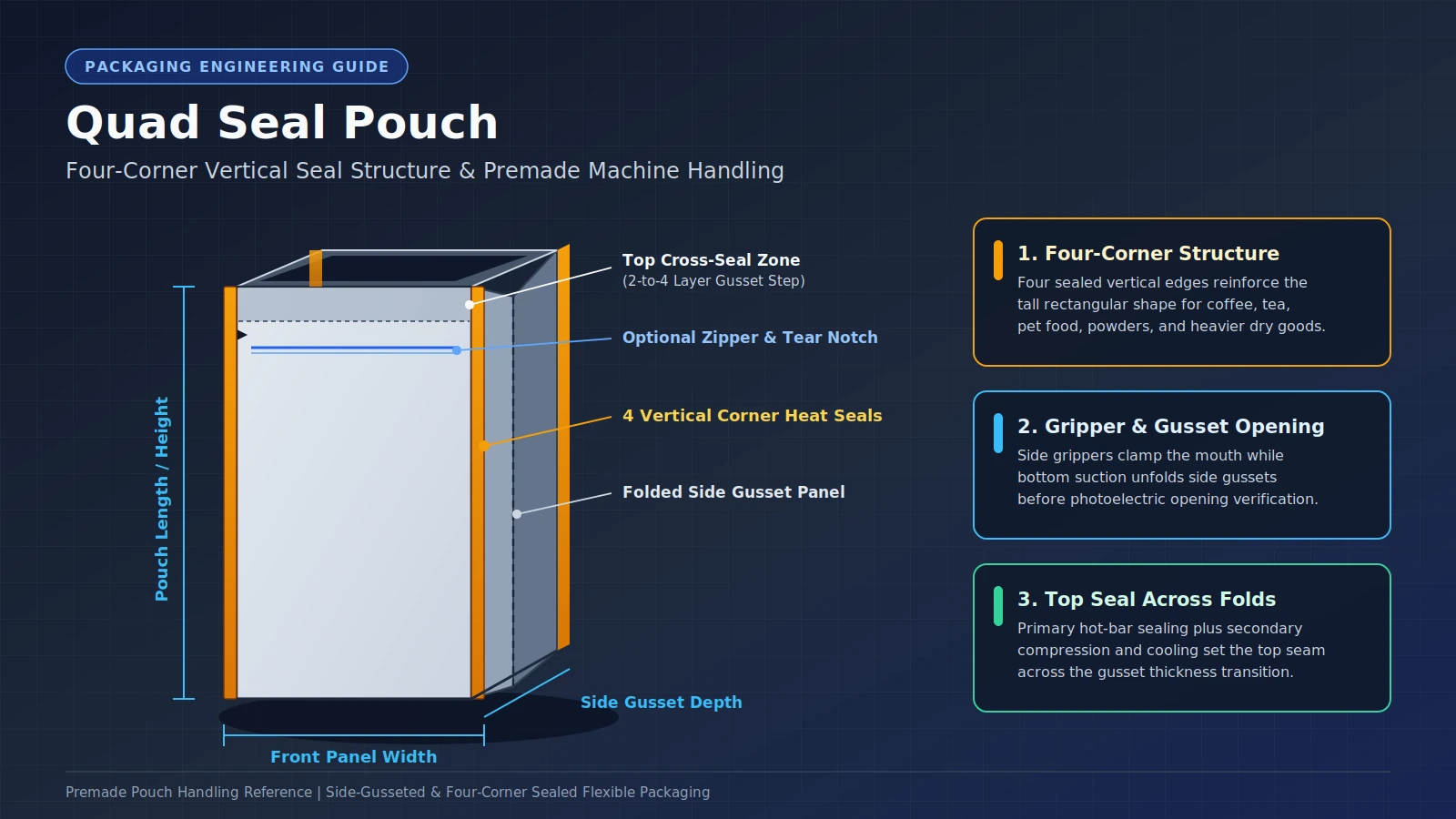
- 16Buying guideQuad Seal Pouch: Corner-Seal Structure & Machine HandlingCompare quad seal pouches against flat-bottom box and side-gusset bags, and verify gripper width, gusset unfolding, and top heat sealing on premade fillers.View page →
- 17Buying guideRotary Pouch Filling Machine: Indexing Stations & GrippersSee how an eight-station rotary pouch filling machine indexes premade bags, syncs grippers and interlocks, limits slosh, and compares to inline fillers.View page →
- 18Buying guideUsed Pouch Filling Machine: Inspection & Format RisksInspect mechanical wear, pouch-width and gusset limits, sealing jaws, PLC spares, and safety guarding before buying a used premade pouch filling machine.View page →
- 19Buying guidePouch Heat Sealer: Impulse vs Constant Heat for PouchesCompare impulse heat sealers and constant-heat hot bar sealers for premade pouches. Match monolayer PE, foil, and Mylar laminates to the right jaw setup.View page →
[Related Pages]
- [Buying guide]Piston Filler vs Flow Meter for Viscous Liquid Pouch FillingCompare piston, electromagnetic, Coriolis and weigh filling for viscous liquids. Check temperature, particles, air, nozzle cutoff and cleaning before trials.View page →
- [Buying guide]What Affects Pouch Filling Machine Price?Understand the scope behind pouch-filling quotations. Compare dosing, pouch handling, closure, options and delivery terms before reviewing a proposal.View page →
- [Buying guide]How to Choose the Right Pouch Filling ConfigurationUse product, pouch, output and closure requirements to narrow your filling-machine options. Prepare a practical brief for a sample-based review.View page →
- [Buying guide]Filling Through the Spout or Through the Open TopUnderstand how fill entry, pouch handling and closure differ between through-spout and open-top pouch filling. Prepare the right pouch information.View page →
- [Buying guide]How to Evaluate Pouch Filling AccuracyDefine test conditions, sample sizes and weight checks for pouch filling. Compare accuracy claims only when product and operating conditions match.View page →
- [Buying guide]Pouch Specifications to Confirm Before Machine SelectionPrepare pouch dimensions, material, opening, zipper or spout details and fill targets. Use the checklist for a focused compatibility review.View page →
- [Buying guide]How to Read a Stand-Up Pouch Size ChartCompare stand-up pouch width, height, gusset and product-specific capacity estimates. Measure bulk density to match fill weight to usable pouch space.View page →
- [Buying guide]What Manual, Semi-Automatic and Tabletop Pouch Filling Can DoCompare manual, semi-automatic and tabletop pouch filling by operator tasks, measured batch output, pouch handling and closure requirements.View page →
- [Buying guide]Retort Pouch Packaging: Laminate Layers & Pre-Retort Seal ChecksRetort pouch packaging seals wet food inside a heat-resistant plastic-and-foil laminate before steam or water sterilization, requiring clean seals and headspace.View page →
- [Buying guide]Continuous Band Sealer: Horizontal vs Vertical Bag SealingContinuous band sealers carry pouches through heated PTFE belts and cooling blocks. Compare vertical vs horizontal setups for liquids, powders, and flat bags.View page →
- [Buying guide]Pouch Labeling Machine: Flat Empty vs Filled Pouch SetupsFlat empty pouch feeders label gusseted and zippered bags before product bulge, while inline conveyor top labelers handle sealed packs with level top panels.View page →
- [Buying guide]Doypack Machine: Premade Pick-Fill-Seal vs Rollstock HFFSCompare premade pick-fill-seal Doypack fillers against integral rollstock HFFS machines across pouch geometry, SKU changeover, seal standards, and throughput.View page →
- [Buying guide]Rotary Pouch Filling Machine: Indexing Stations & GrippersSee how an eight-station rotary pouch filling machine indexes premade bags, syncs grippers and interlocks, limits slosh, and compares to inline fillers.View page →
[Request]
Start with the Buyer Checklist
Discuss the equipment scope and next steps with the LINEVO team.